American Museum of Natural History

amnh-plan-your-visit-dino_facebookshare_1200.jpg

One of my **favorite** museums - the American Museum of Natural History in New York City - asked me to give a talk on Feb 5!!

I'll be talking about perceptions and motivations related to climate change.

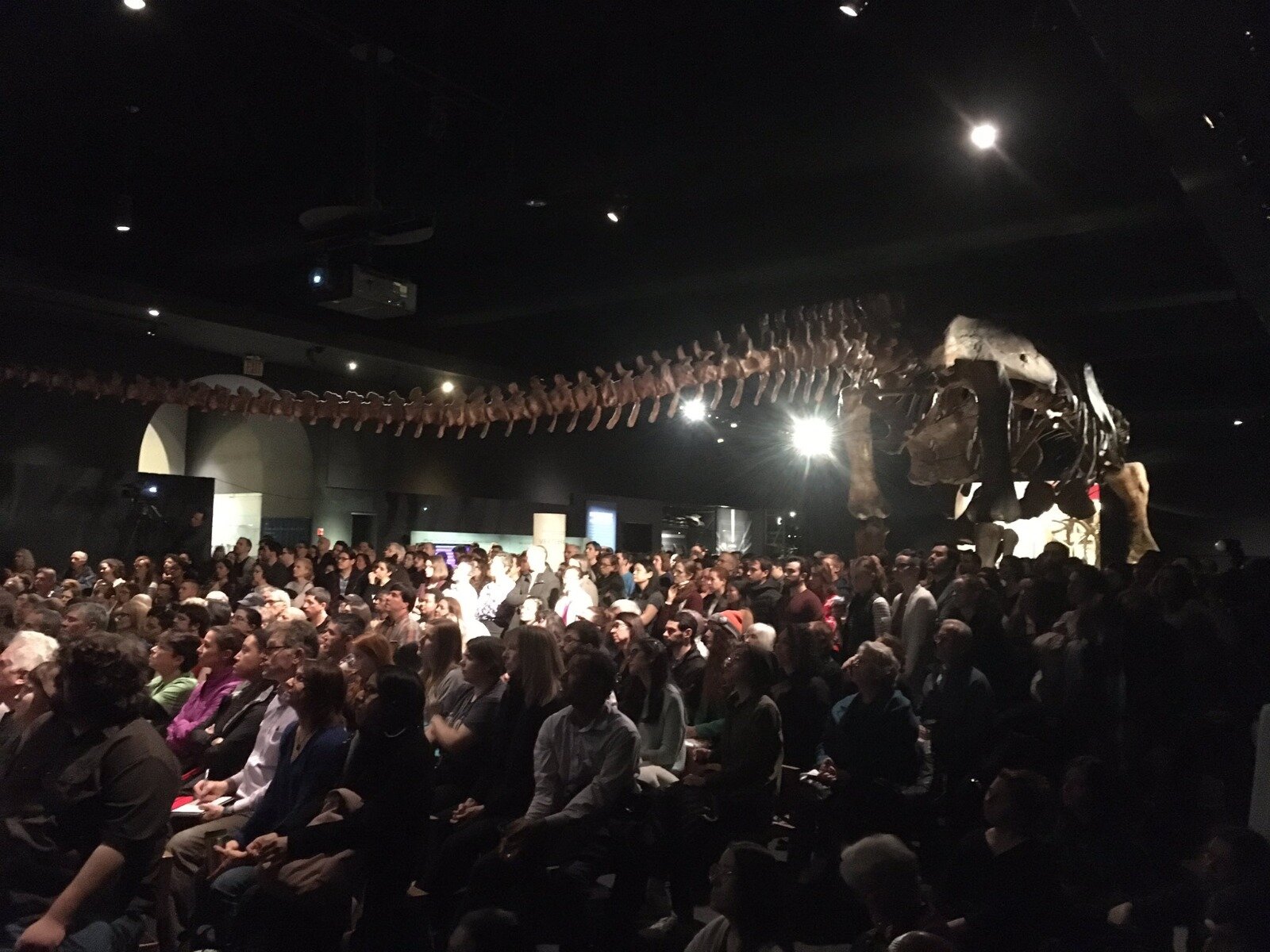
Update: Here are some photos from the event. All with a Titanosaur measuring 122 feet in length (“The Titanosaur is so big that its head extends outside of its new home in the Museum's fourth-floor gallery. The Titanosaur lived in the forests of today's Patagonia about 100 to 95 million years ago, during the Late Cretaceous period, and is one of the largest dinosaurs ever discovered.”) Phenomenal event with about 500-600 people thirsty to learn about climate change and political change. 

374f9ef7-5704-4443-a68d-038821d435a1.jpeg
67fb0689-404a-4408-abaf-4a6821af9b68.jpeg

Shaz becomes a U.S. citizen

20191209_201818.jpg

I became a U.S. citizen yesterday after living in the U.S. for ~20 years.

It was an emotional ceremony in Indianapolis Indiana with about 90 new citizens representing 48 different countries. The judge presiding over the ceremony discussed how important immigration was to our country and how that is truly what makes America great.

The first thing I did as a citizen yesterday was register to vote. So here is to voting in 2020!

New work explores why "turning off the lights" remains such a sticky heuristic

Easy but not effective: Why “turning off the lights” remains a salient energy conserving behaviour in the United States

When participants are asked how best to save energy in the home, the most frequent response since the 1980s has been “turning off the lights”. Here, we use an online survey (N=1,418) to investigate why turning off the lights persists as a modal response despite decades of energy education promoting far more effective behaviors. We find that participants explain their choice of turning off lights or replacing bulbs with different heuristics. Participants who choose turning off the lights state that energy savings occur when an appliance is completely turned off. Alternatively, those who pick replacing inefficient light bulbs state that far less energy can be used for a given task.

Huge congratulations to co-authors Daniel Lundberg (SPEA Alum, now at Indiana Finance Authority) and Janine Tang (IU Law School).

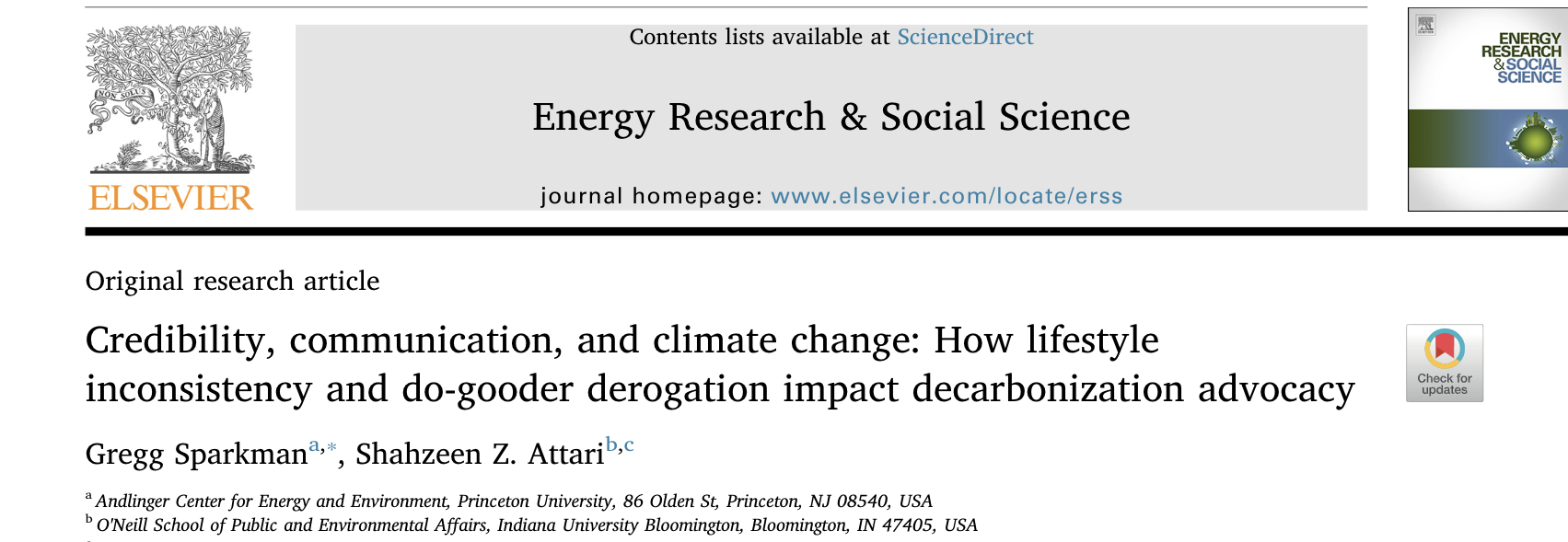
New work: Ad hominem attacks or do-gooder derogation?

We find strong evidence for the negative effects of behavior-advocacy inconsistency for both neighbors and experts, albeit much larger impacts for experts. We also find highly sustainable advocates were not more influential than somewhat sustainable ones—instead they were marginally worse. Overall, these results suggest that advocates, especially experts, are most credible and influential when they adopt many sustainable behaviors in their day-to-day lives, so long as they are not seen as too extreme

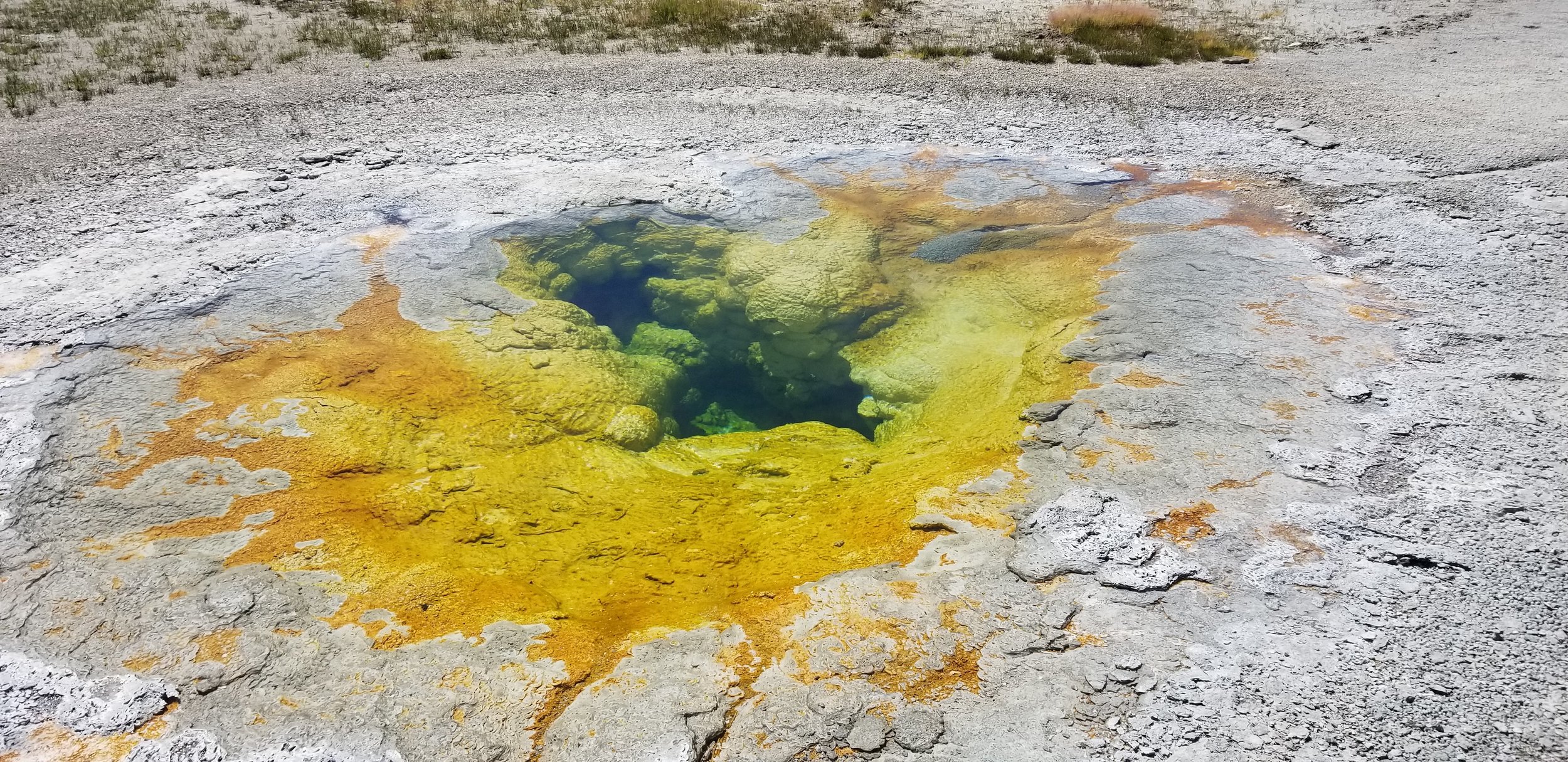
On happiness and self-care

20190803_093818.jpg

Working on climate change and behavior (both personal and political) is emotionally and intellectually challenging. Our community (and academia) rarely talks about self-care. It is so important, and I try to emphasize it for my team and myself as much as possible. Here is a picture of our lab mascot, Savannah, starting a 11-mile hike in McCormick's Creek State Park in Bloomington Indiana this past Saturday. This is what happiness looks like to me. What does it look like to you?