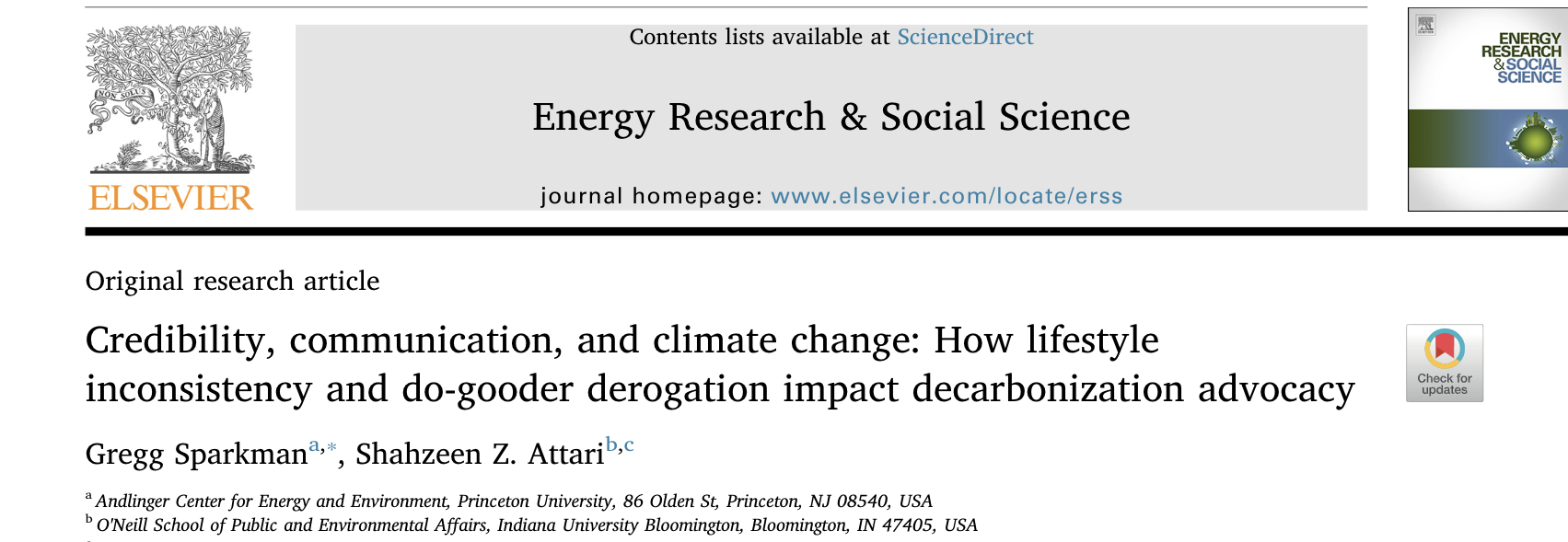
We find strong evidence for the negative effects of behavior-advocacy inconsistency for both neighbors and experts, albeit much larger impacts for experts. We also find highly sustainable advocates were not more influential than somewhat sustainable ones—instead they were marginally worse. Overall, these results suggest that advocates, especially experts, are most credible and influential when they adopt many sustainable behaviors in their day-to-day lives, so long as they are not seen as too extreme
New work: Simple interventions can correct misperceptions of home energy use
New paper in Nature Energy with Tyler Marghetis and David Landy. We test two simple interventions to improve perceptions and understanding of home appliance energy use.

Hello from Yellowstone National Park!
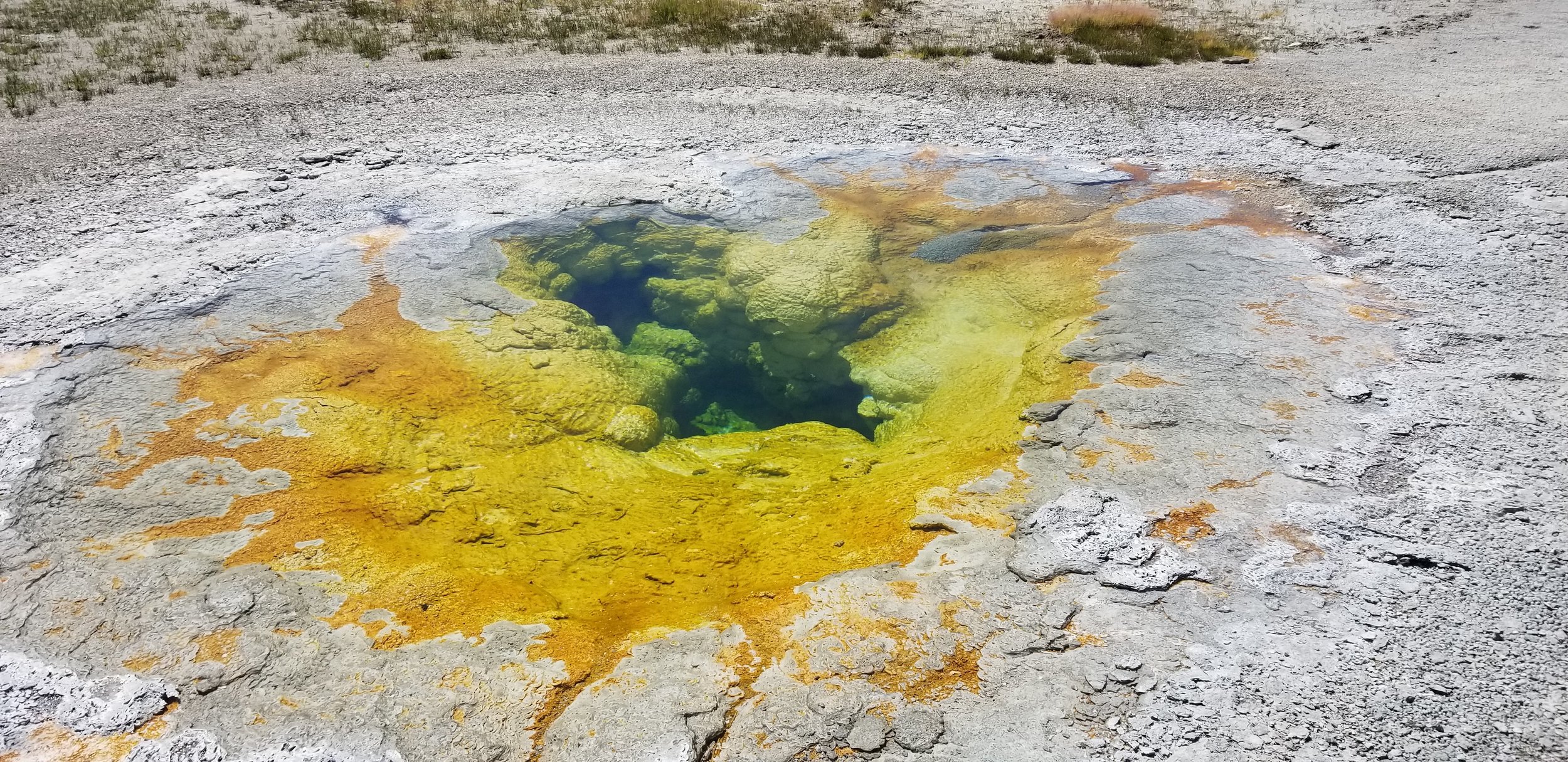
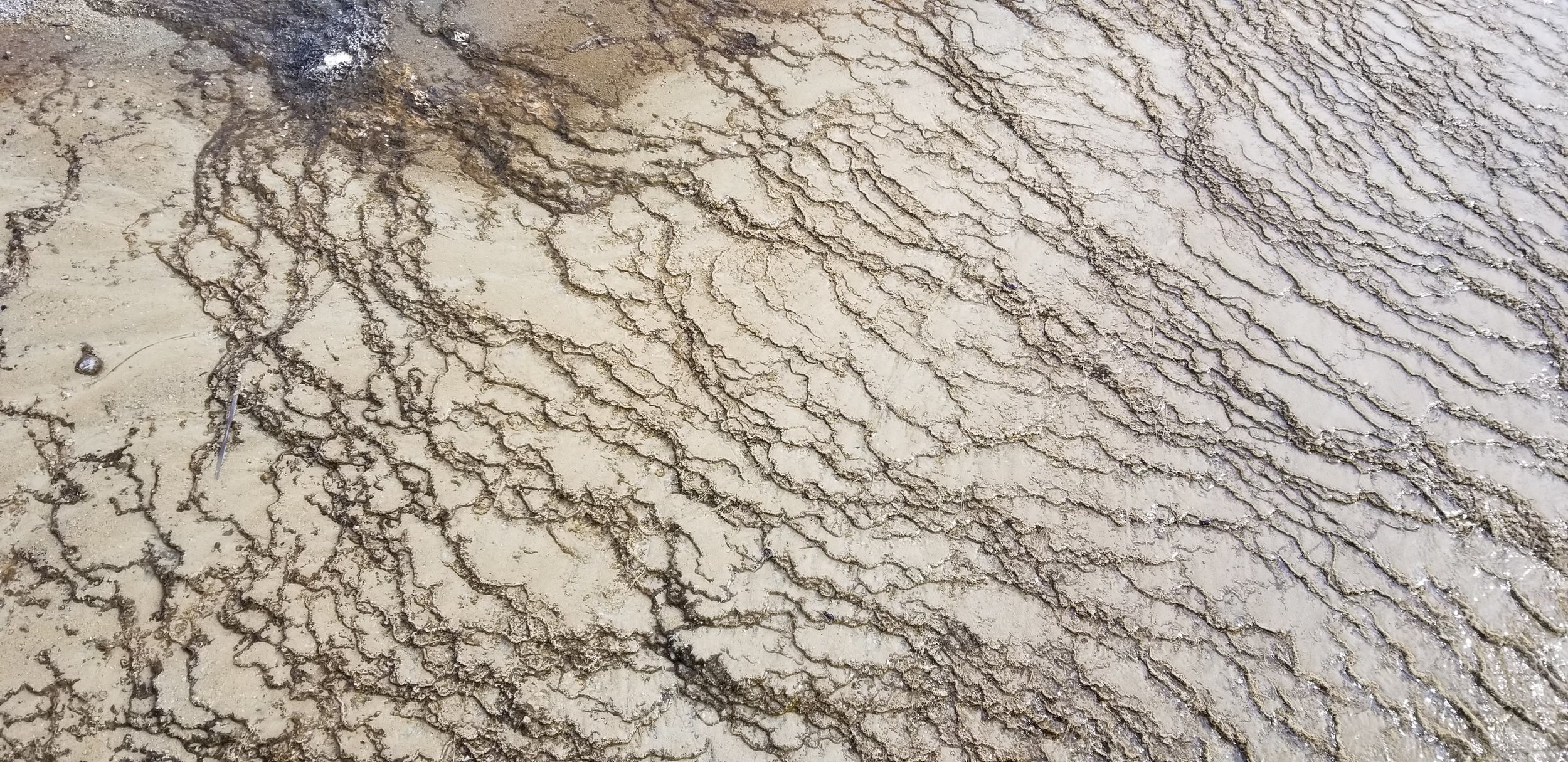
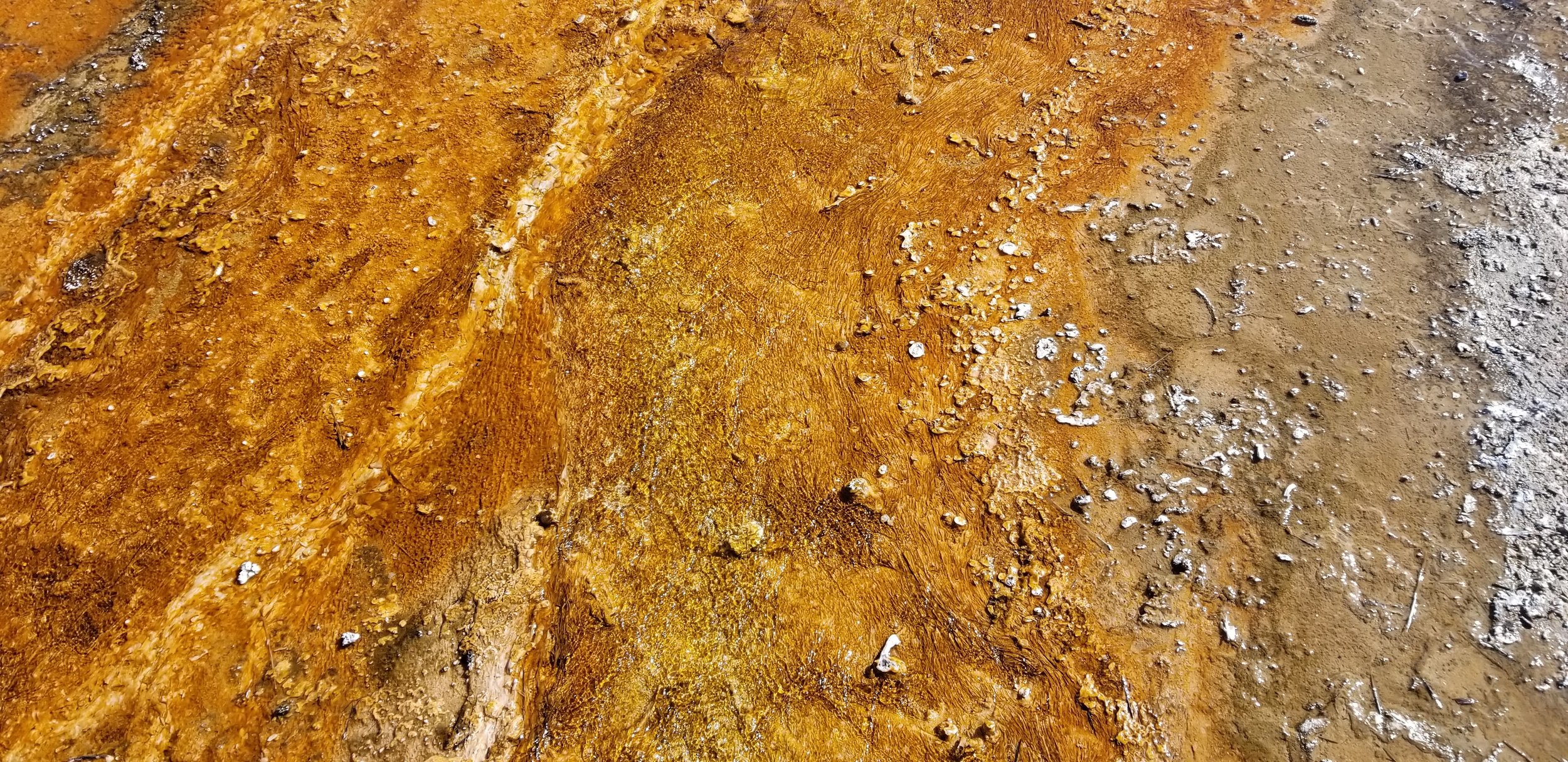

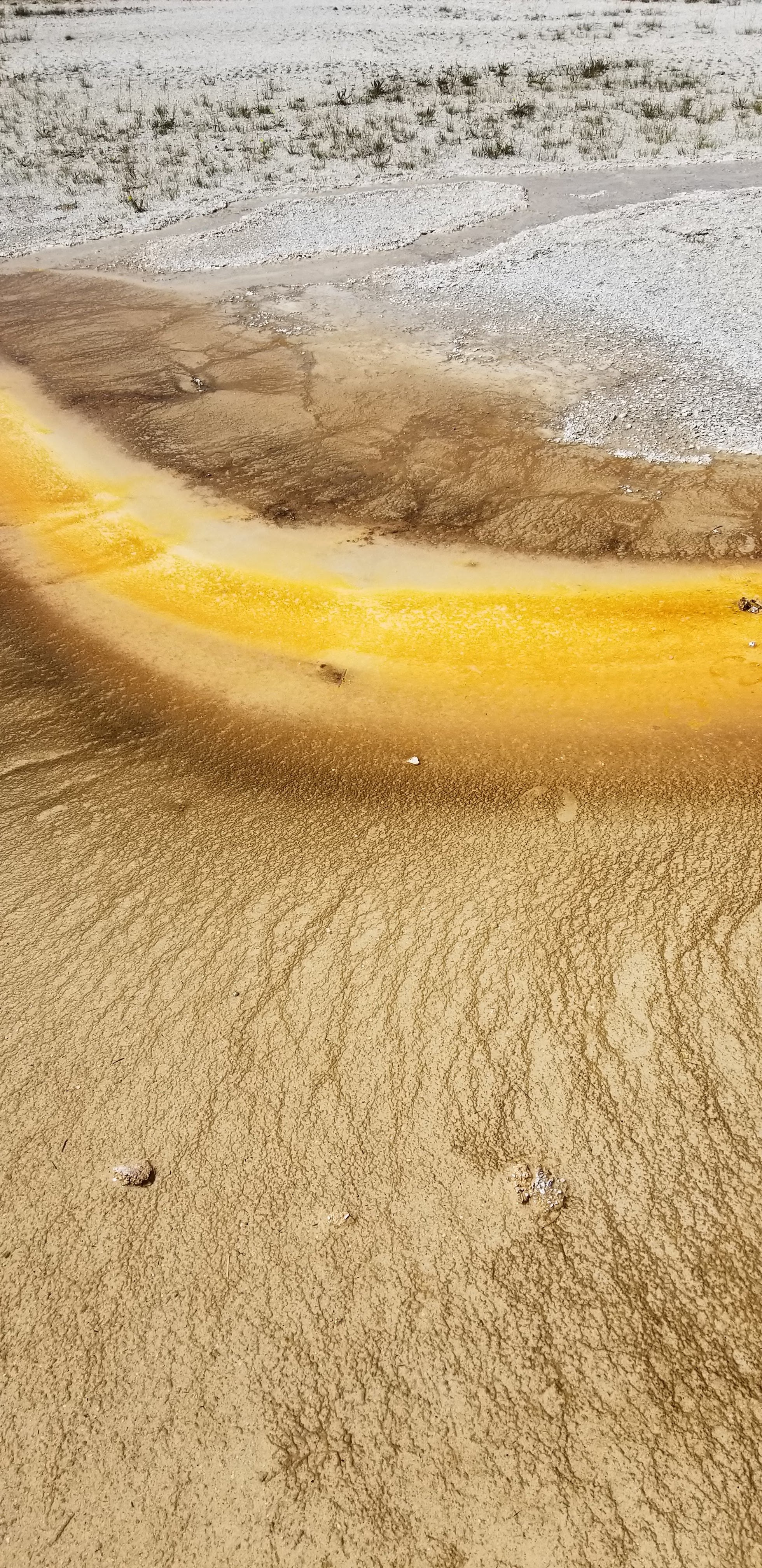
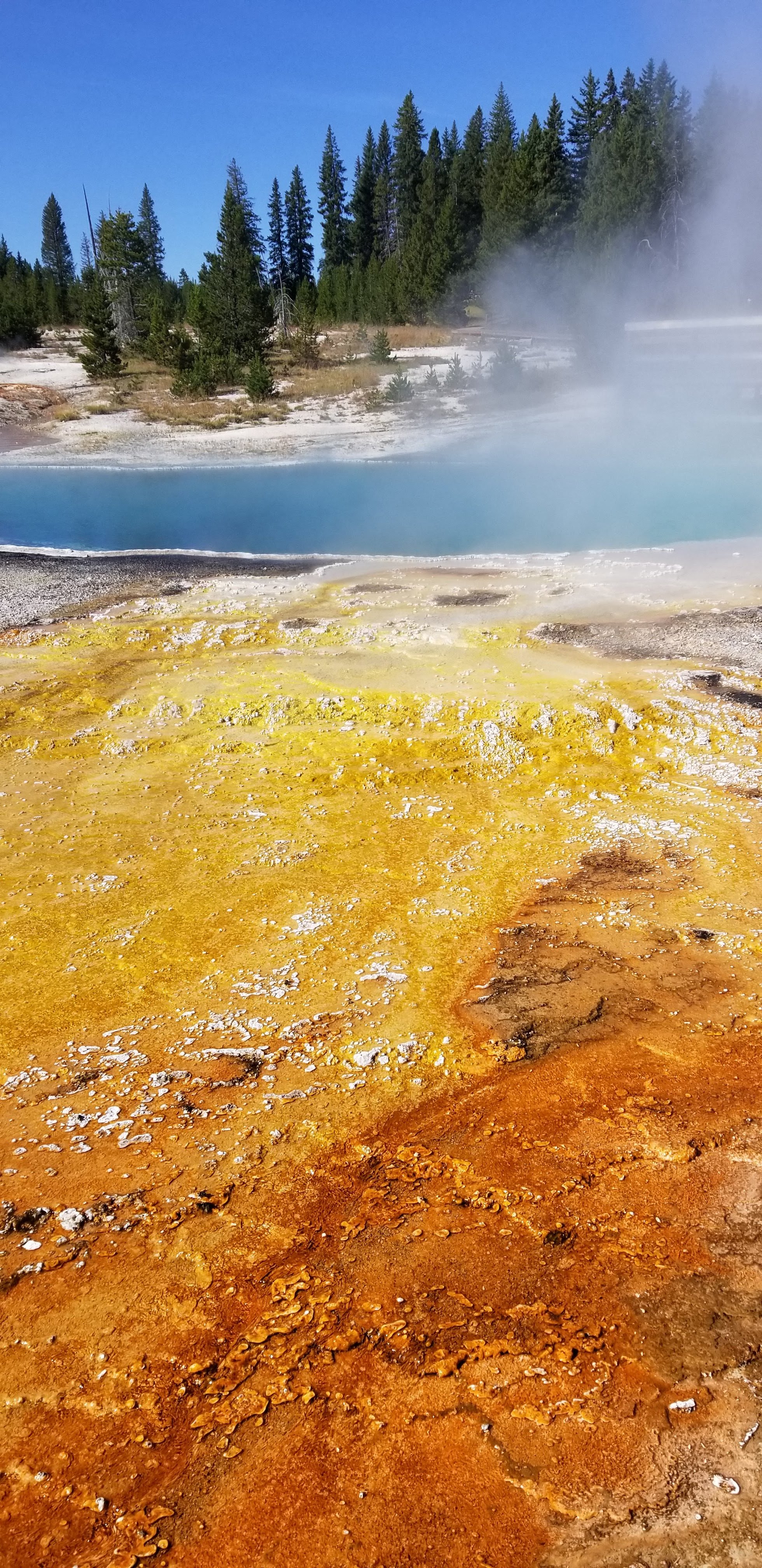
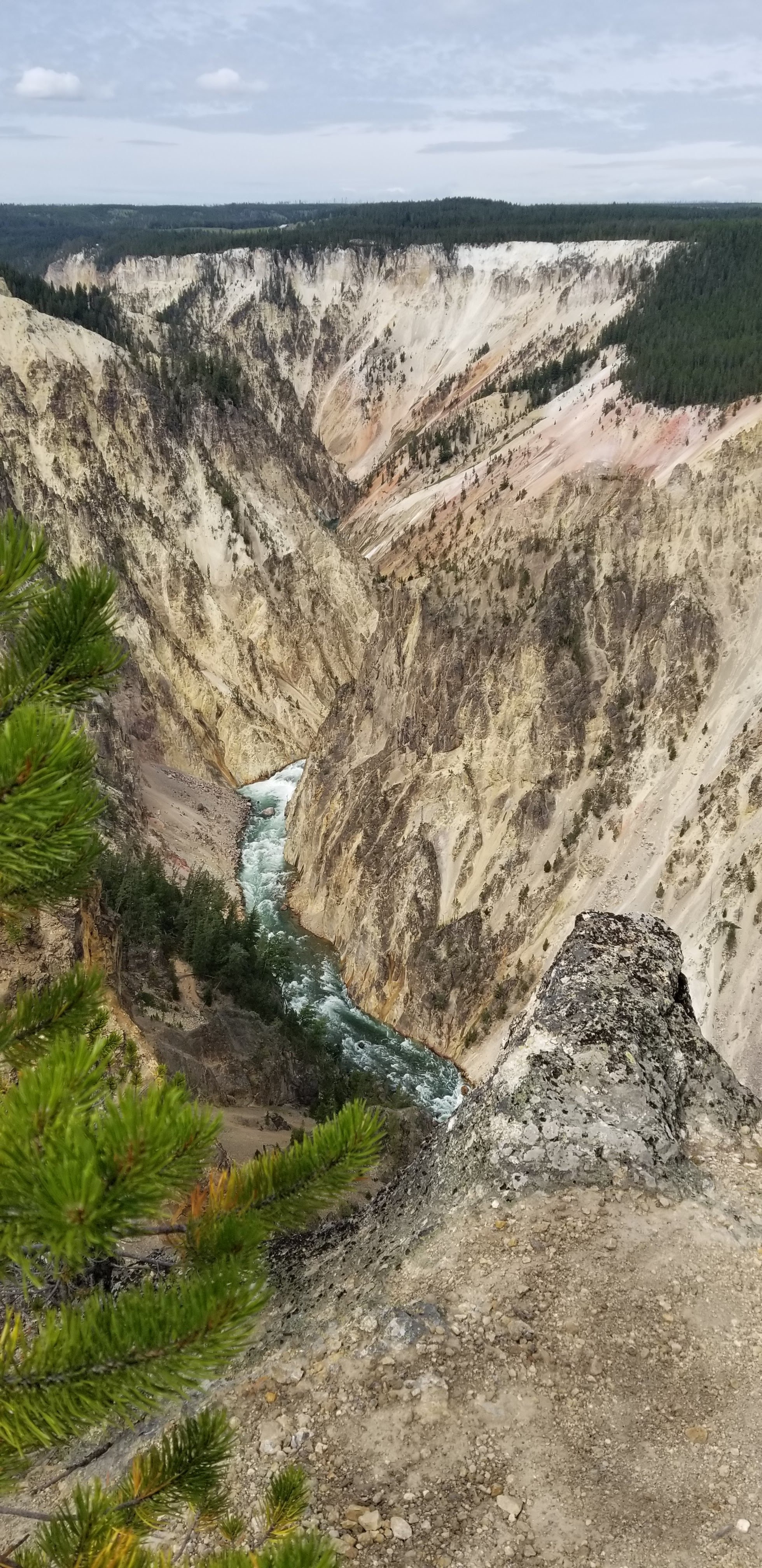
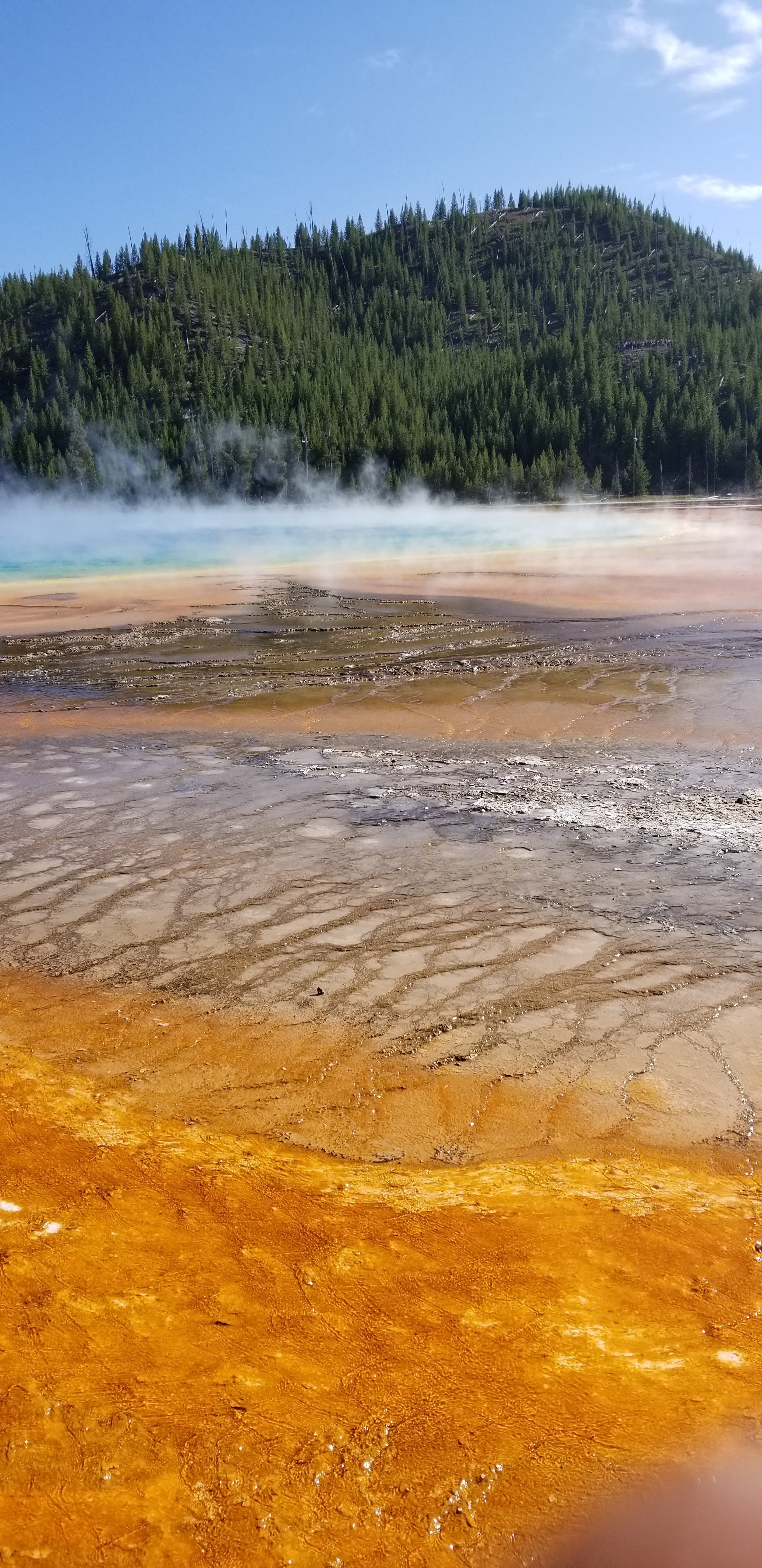
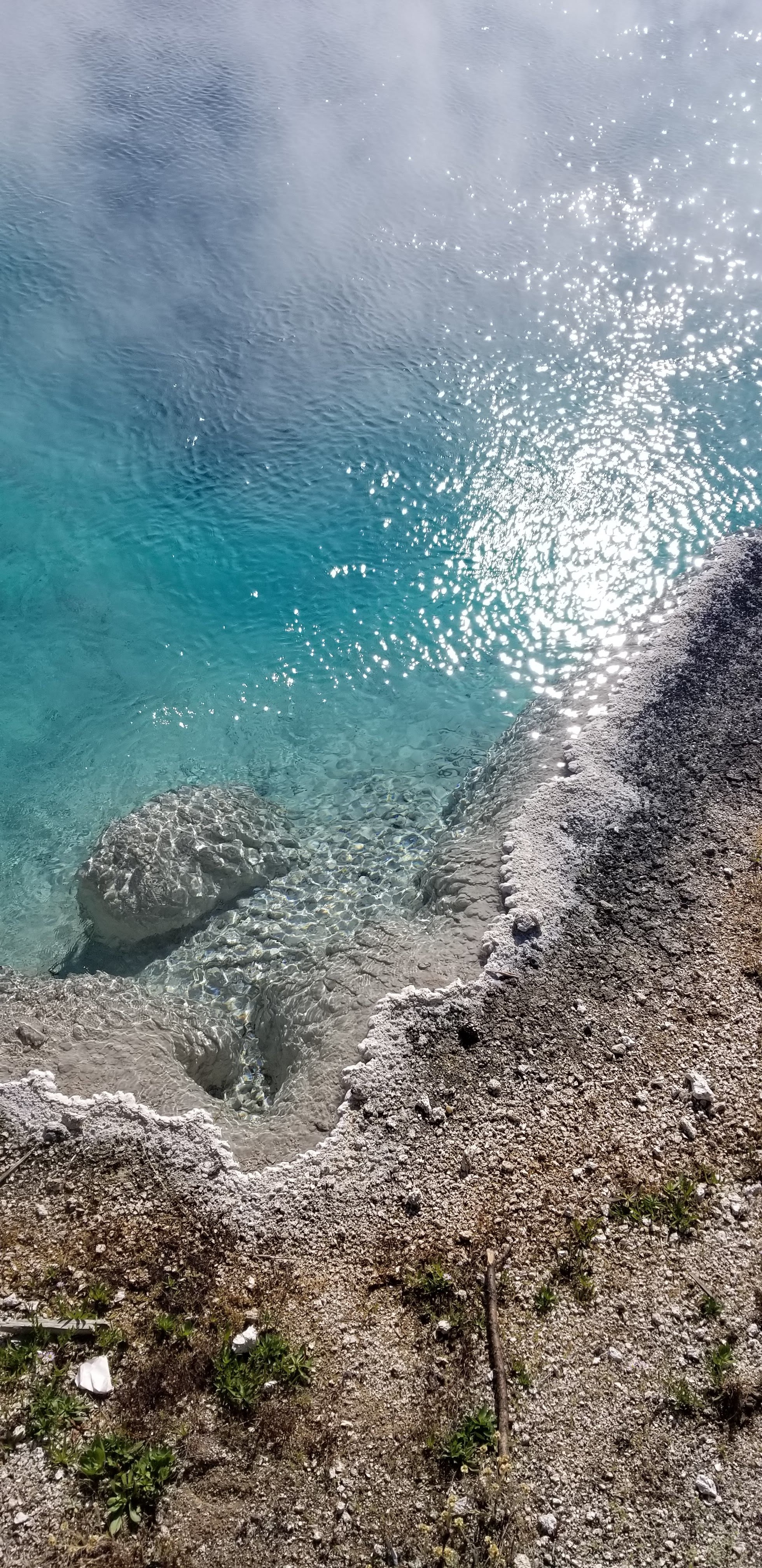
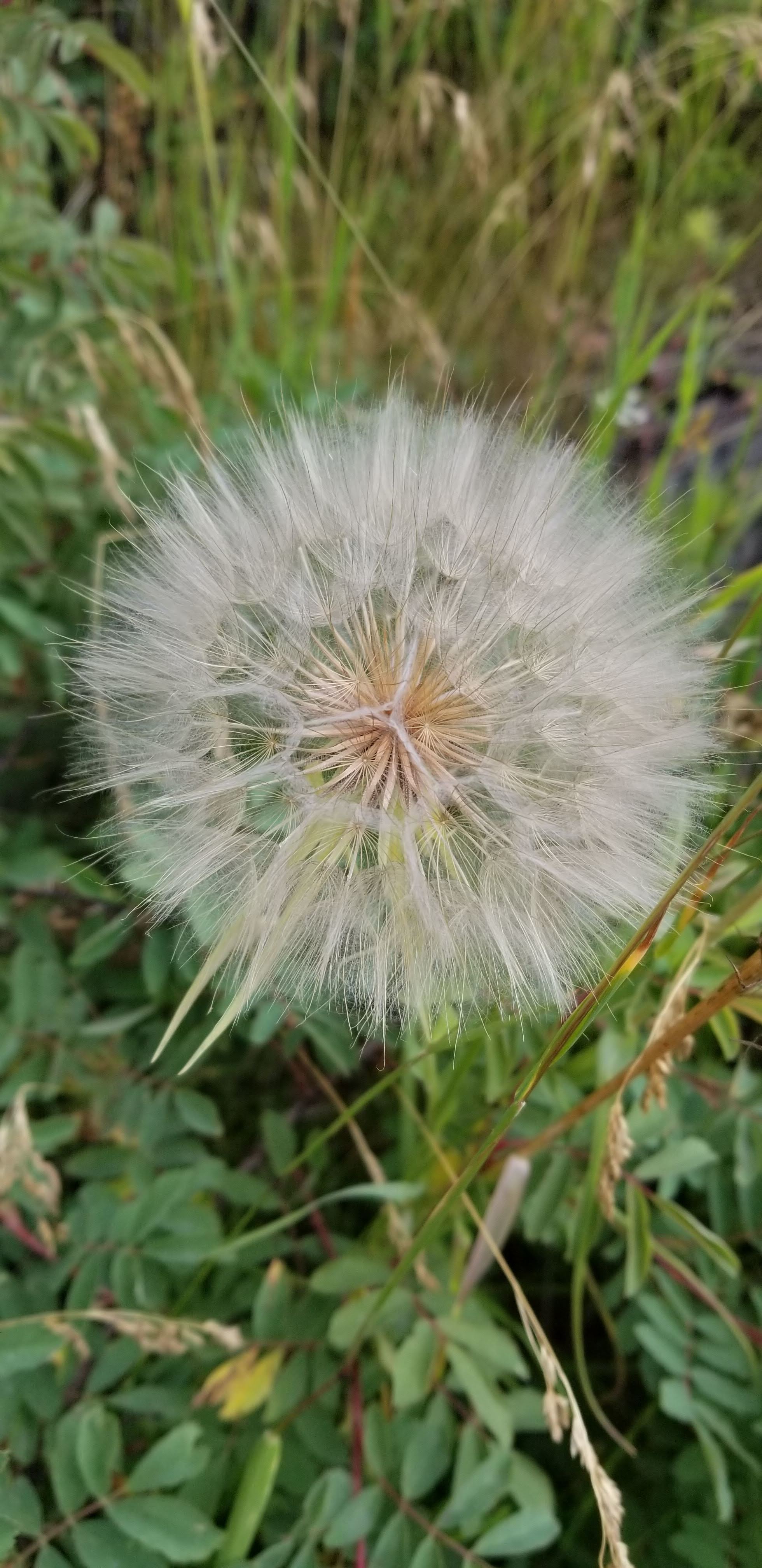
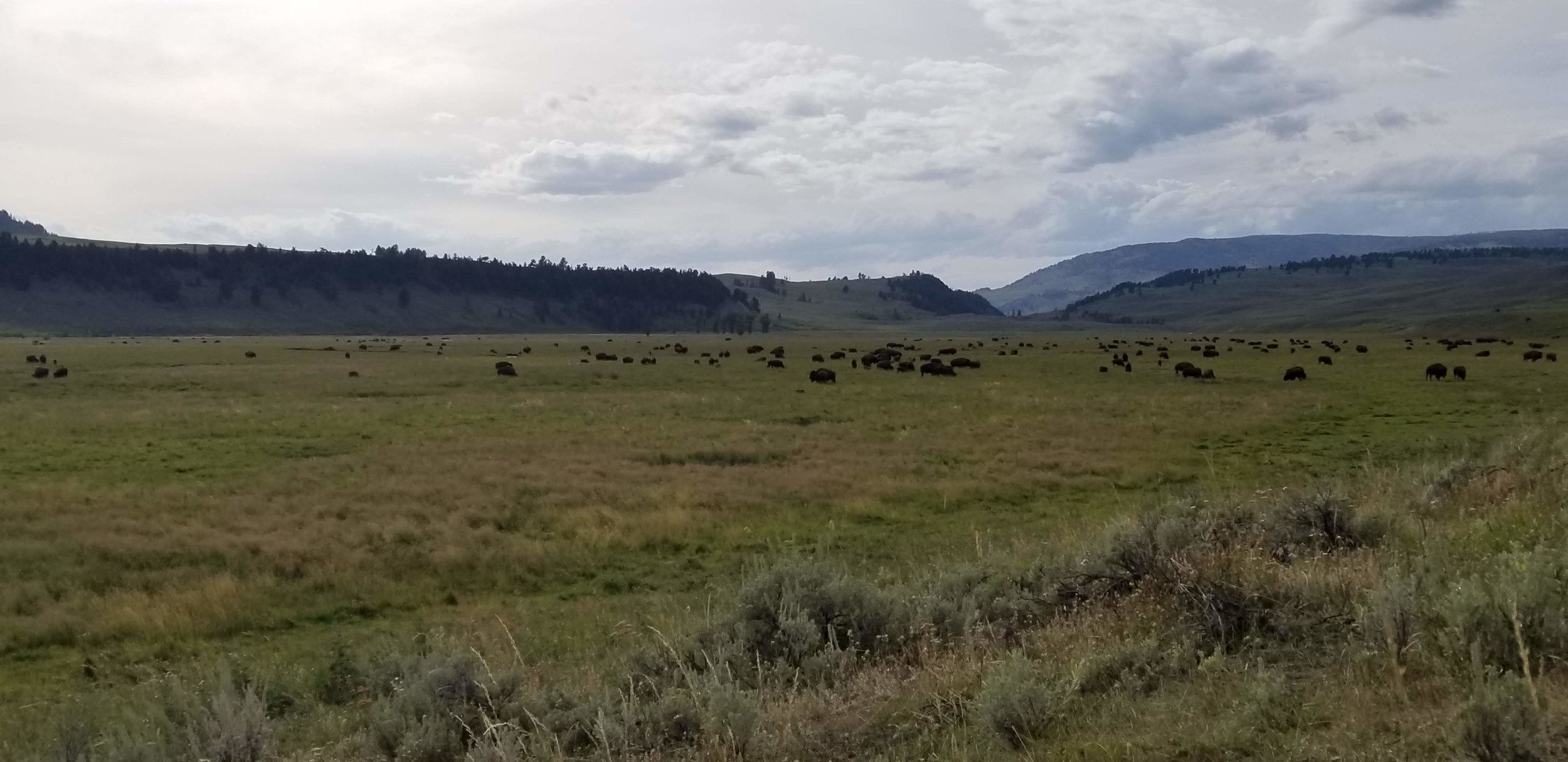
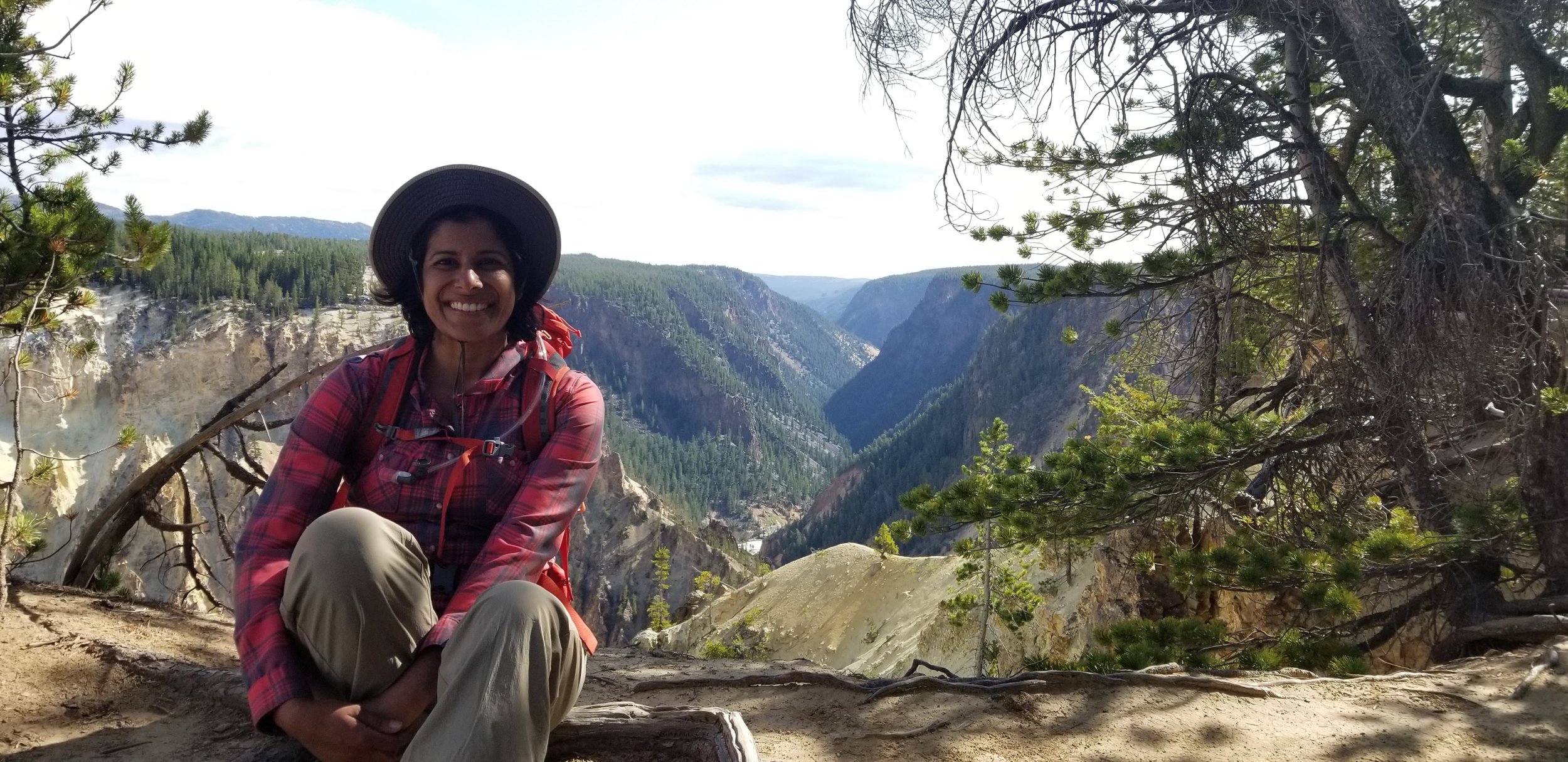
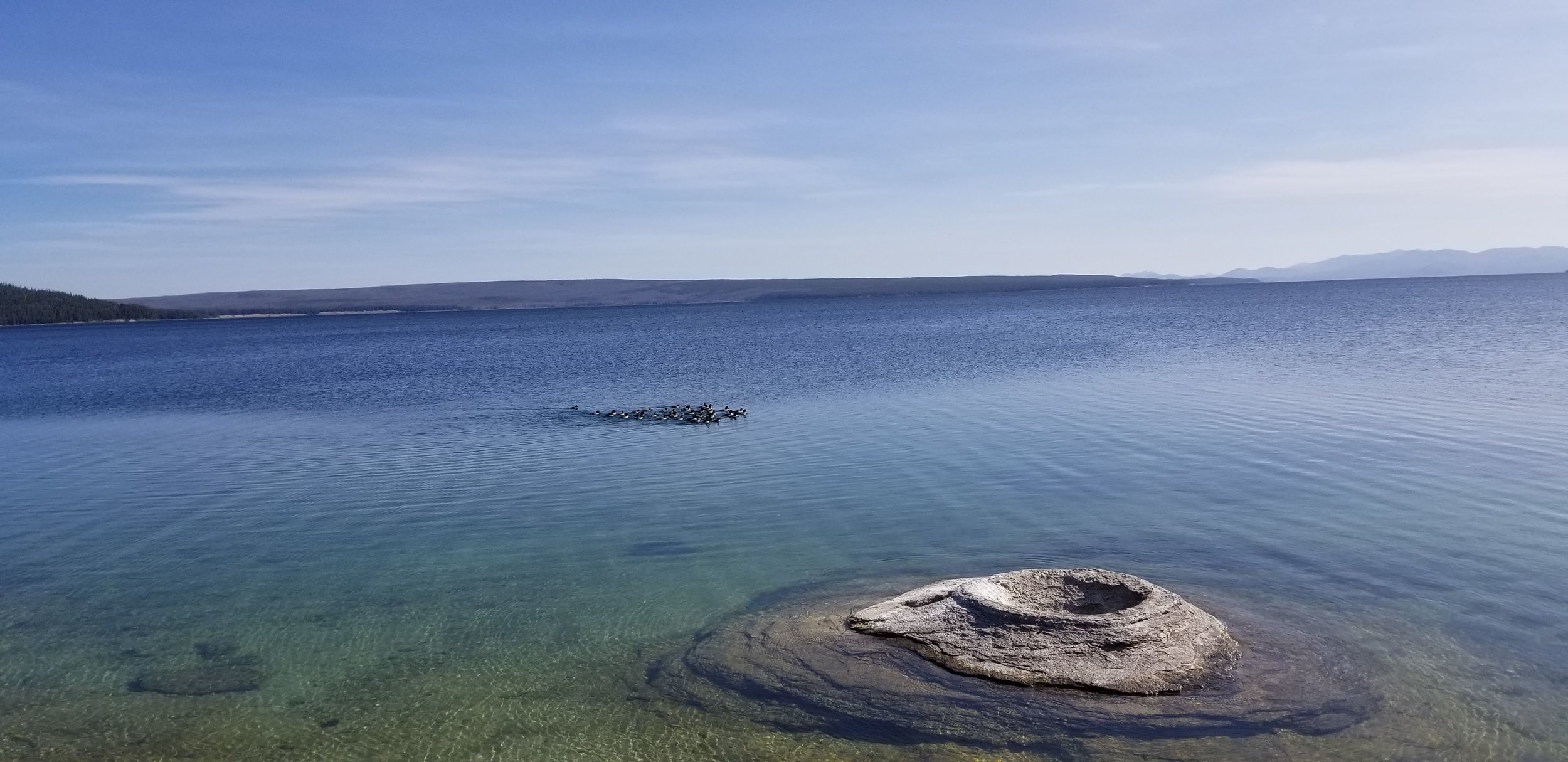
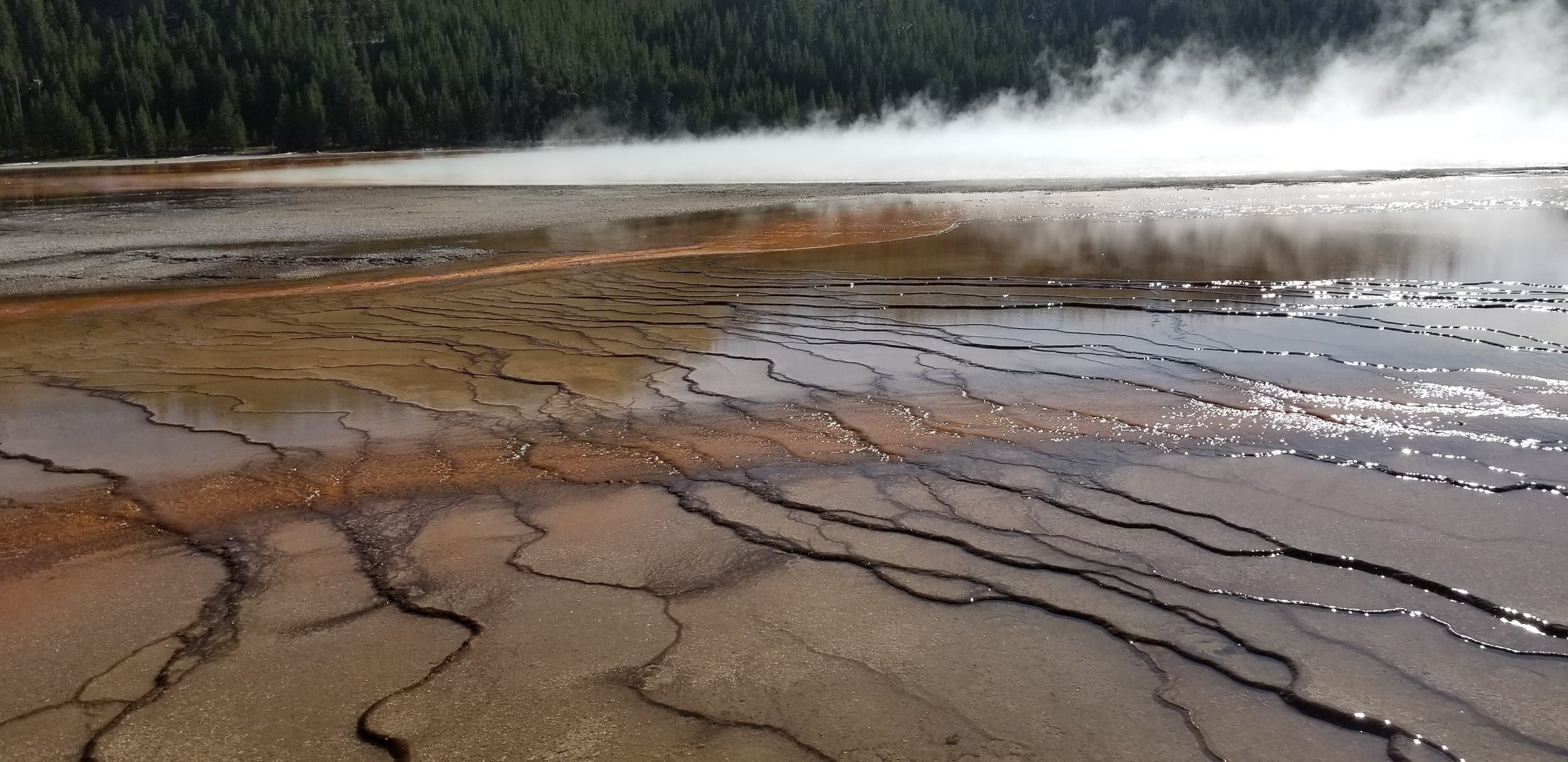
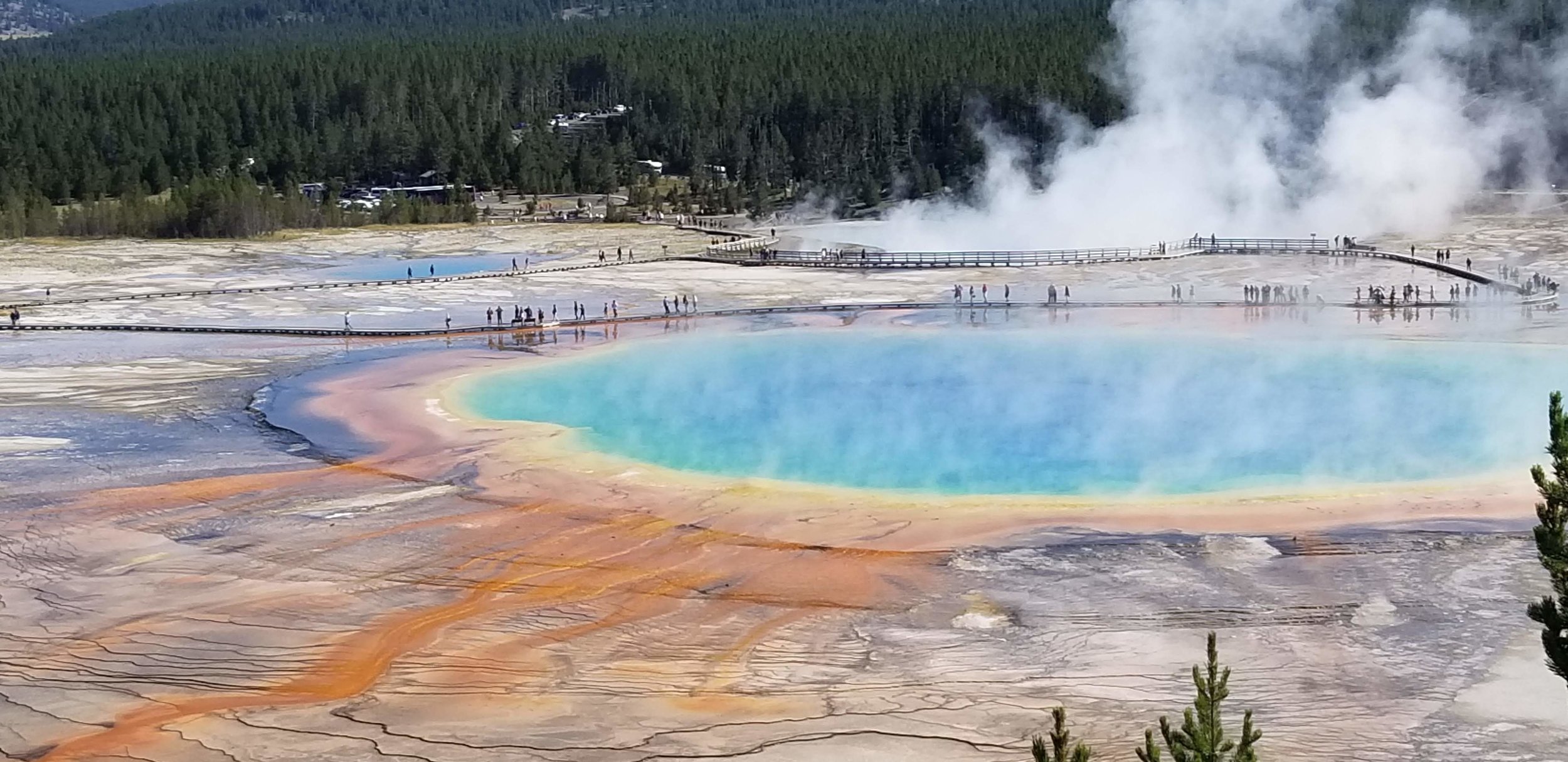
A phenomenal soul-refreshing trip out west to see nature’s wonders in Yellowstone National Park. Brightly colored and tantalizing geysers, exploding steam and smelling of sulphur, crossed our path. I got to see grizzly and black bears, and fields of bison across the landscape. Hope you get to visit.
On happiness and self-care

Working on climate change and behavior (both personal and political) is emotionally and intellectually challenging. Our community (and academia) rarely talks about self-care. It is so important, and I try to emphasize it for my team and myself as much as possible. Here is a picture of our lab mascot, Savannah, starting a 11-mile hike in McCormick's Creek State Park in Bloomington Indiana this past Saturday. This is what happiness looks like to me. What does it look like to you?
Resources Radio
Wonderful discussion with Daniel Raimi about our new paper on credibility and climate communication + a discussion of how stories can change us (my Andrew Carnegie Fellowship project on imagining the future to motivate action and policy support for climate change).
"Educating for Environmental Change" Teacher's Workshop

Joe and Deidra present our research on how people imagine the future energy mix in the U.S. at a hands-on workshop for 40 teachers from across Indiana from both elementary (K-6) and secondary (7-12) schools. Our work is funded by the National Science Foundation - Decision, Risk, and Management Science (DRMS).
Visiting Dave Krantz and reading Octavia Butler
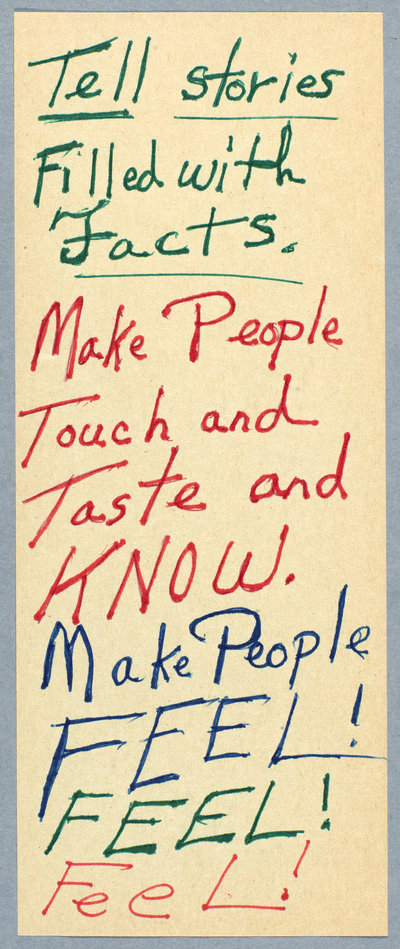

Dave gifted me Lilith’s Brood by Octavia Butler, and I am falling in love with the worlds she creates. Words to live by: To use stories to make people FEEL!

Shaz, Dave, and Becca in Nashville TN June 2019
Lab retreat
All day lab retreat - thinking, eating, hiking…repeat :)
A great day in Bloomington and a wonderful hike (although too many ticks!).

Joe, Shaz and Deidra with Lake Monroe behind us. Savannah loving on Deidra below 🐾


Baby turtle on our trail
New paper out: Climate change communicators’ carbon footprints affect their audience’s policy support
Our new paper is out in Climatic Change, co-authored with (the amazing and wonderful) David Krantz (Columbia University) and Elke Weber (Princeton University).
We find that people are more likely to support decarbonization policies if the advocate for the policies have a low carbon footprint. We also find that the negative effects of a large carbon footprint on credibility are greatly reduced if the communicator reforms their behavior by reducing their personal carbon footprints.
You can find the paper here https://rdcu.be/bEdkL and the accompanying data and supplemental files on our publication page.

BE.Hive: Climate Change Needs Behavior Change - RARE & National Geographic

At the BE.Hive: Climate Change Needs Behavior Change summit, you will learn about the latest academic insights from behavior science, get inspired by the world’s leading environmentalists, be ignited by artists, storytellers and explorers, and identify some of the greatest opportunities for shifting human behavior to reduce greenhouse gas emissions. Looking forward to presenting and learning at NatGeo! March 19, 2019, 9:00 am – 5:00 pm; National Geographic, Washington DC
Congrats to Kurt and Noemi!

Huge congratulations to Kurt Waldman (Geography, Indiana U.) and Noemi Vergopolan (Civil and Environmental Engineering, Princeton U.) for our new paper - “Cognitive biases about climate variability in smallholder farming systems in Zambia” (In press at Weather, Climate and Society).
We compare farmer’s perceptions of rainfall onset with satellite-gauge-derived rainfall data and hyper-resolution soil moisture estimates. We find that farmers perceive that rains are arriving later than they are and that farmers rely on heuristics about rainy season onset to decide on when to plant maize.
Janine visits us from China
Lab alum Janine Tang visits SPEA from China, where she has been studying and interning for her senior year. She will be headed to law school this fall. Always a pleasure to see what our amazing alums are up to..

Happy Holidays from the Attari Lab!

We wish each of you happy holidays and hope the new year renews your spirit and brings immense joy and hope.
IU Bicentennial Professor
Indiana University has named 25 Bicentennial Professors. Each Bicentennial Professor will travel around the state delivering public presentations at community forums that describe -- in an engaging and accessible manner -- some of their research or professional activities. Excited to be part of this group and talk with other Hoosiers!

One of my favorite people (best mentor, friend, collaborator, chef, statistician...)
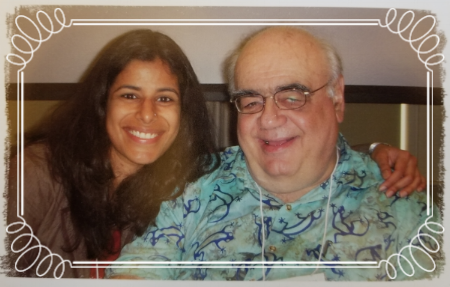
Shahzeen with David Krantz (Professor at Columbia U.). I wish I could do a Vulcan mind meld with him on most days. Photo circa 2010.
Upcoming talks at Northwestern and University of Washington
I will be discussing new research on ad hominem attacks on climate researchers and effects on policy uptake (with David Krantz and Elke Weber) at Northwestern’s School of Communication on October 1st and University of Washington Seattle’s Center for Environmental Politics on October 5th. See you there!
Our lab - brain and heart

Bronson Bast, Deidra Miniard, Eleanor Bower, Shahzeen Attari, and Tyler Marghetis on a sunny day. (Photo credit: the wonderful Ezra Markowitz)

Named as Science News10 - In the cohort of top scientists under the age of 40

(Illustration by Sam Falconer, I am the scientist in green on the top left :)
Science News spotlights a group of early- and mid-career scientists who are breaking ground. “It’s a confident, tough group. Try to set limits or box these people in and they bristle. Some had childhood experiences that opened their minds to the possibilities of scientific research. Others dug in their heels to do something that an adult said would be too difficult.”
Honored to be in this cohort. Here is a wonderful profile by Bruce Bower.
Heading to the Headlands

Heading to the Headlands Center for the Arts to participate in a thematic residency addressing climate change. The purpose of the convening is to bring together artists, scientists, policy makers, activists and advocates to exchange ideas and working processes centering on addressing climate change.
Postcards from my last days in CA